Speaker:
Dr Elsa Panciroli
Bio:
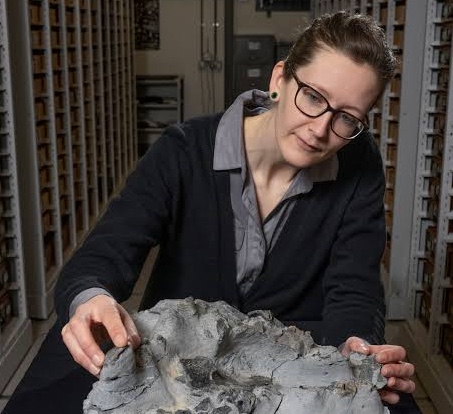
Dr Elsa Panciroli is a NERC Independent Research Fellow at National Museums Scotland. She studies extinct life, specialising in mammal evolution, and carries out regular fieldwork collecting new fossil material from the Jurassic rocks of the Isle of Skye. She is also the author of two poplar science books (Beasts Before Us, and Earth: A Biography of Life), and is an award winning science communicator, having received both the T. N. George Medal and the Halstead Award for her work bringing geology and palaeontology to the general public. She gives regular public talks and features on television and radio talking about fossils and extinct life.
Date:
3 February 2027
Time:
7:30pm – 9:00pm
Add to your calendar
3 February 2027 19:30
3 February 2027 21:00
Europe/London
Lecture: Dr Elsa Panciroli
Summary
Almost all mammals on Earth today give birth to live young. However, they evolved from egg-laying ancestors, so when did this critical transition from eggs to live birth occur? In this talk, we look at the evidence for the origins of live birth in the time of dinosaurs, and examine new data from the only egg-laying mammals still around today, the platypus and echidna.